.svg)




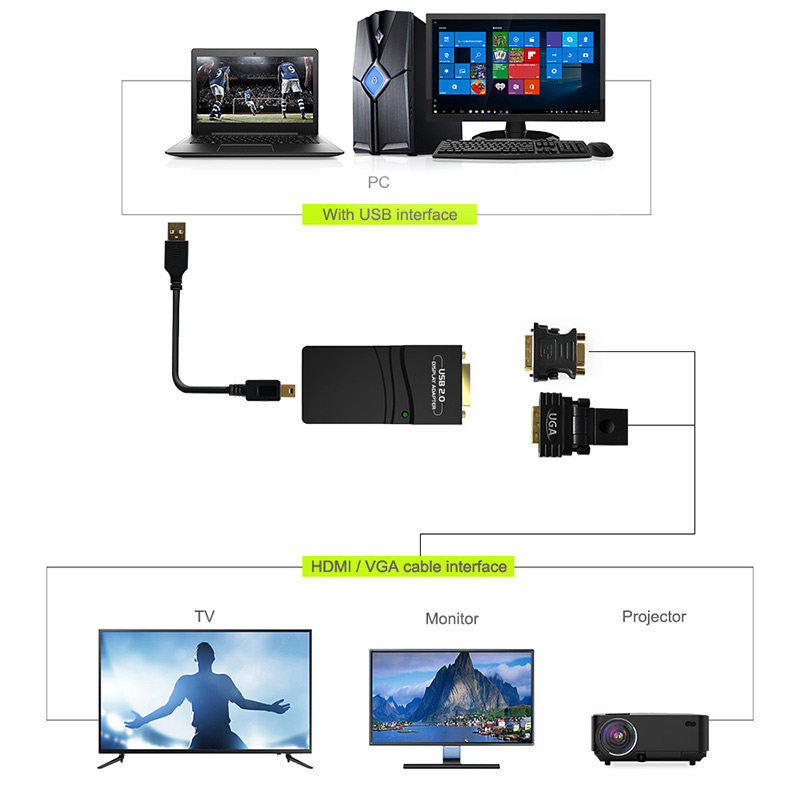
The adapter for multiple displays with mode extend. Just grab and go, the perfect travel companion and essential accessory for your trip around the world. Plug and play, maximum convenience.
WS-UG17D1
But why are we so captivated by watching people fall in (and out of) love? Why does the "will they/won't they" trope still generate record-breaking viewership in an era of short attention spans and algorithmic content?
The most successful upcoming projects are betting on . Imagine a Black Mirror: Bandersnatch style romance where the viewer chooses whether to forgive the lover or walk away. The entertainment industry is racing to create AI-driven romantic partners in gaming, blurring the line between viewer and participant.
However, the last five years have seen a correction. are emerging. Shows like Heartstopper prioritize safety, communication, and consent as dramatic turning points. The drama no longer comes from "does he like me?" but from "how do we navigate the world together?" Diversity and Inclusion Historically, romantic drama was limited to heterosexual, white, able-bodied narratives. The new wave— Queen Charlotte , Red, White & Royal Blue , Past Lives —has expanded the definition of who gets a love story. This is not just performative representation; it has unlocked new dramatic territories. Class conflict, cultural assimilation, and queer longing provide fresh obstacles that the traditional "boy meets girl" template exhausted decades ago. Part V: The Future – Where Does Entertainment Go Next? As Artificial Intelligence and Virtual Reality creep into the entertainment sector, the romantic drama genre faces a unique question: Can a machine make us feel heartbreak?