Literature

Family Beach Pageant Part 2 Enature Net Awwc Russianbare Full -

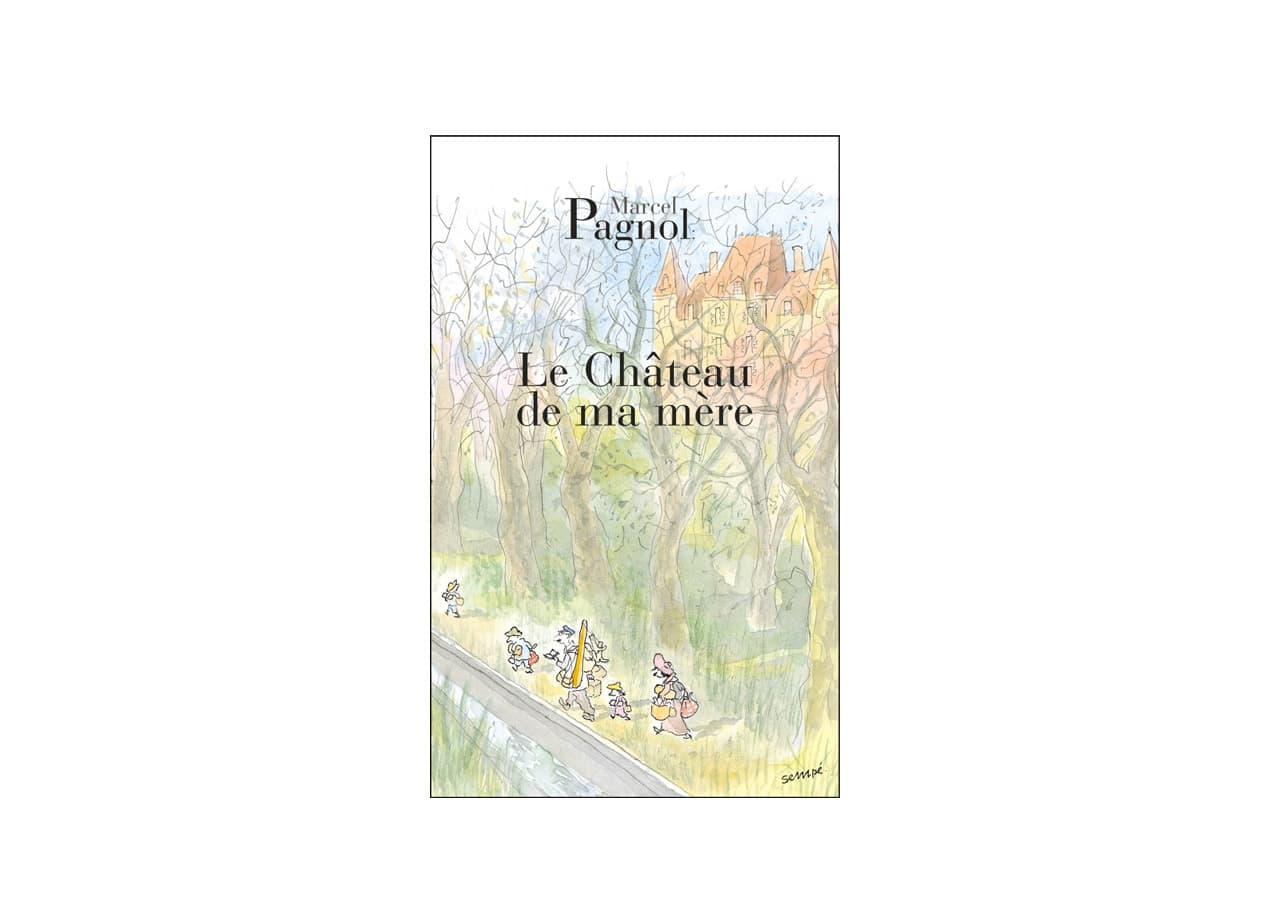
The most beautiful book on child friendship: one morning while hunting in the hills, Marcel meets the little peasant, Lili des Bellons. His vacations and his whole life will be illuminated by it.

The most beautiful book about childhood friendship.

Summary

One year after La Gloire de mon père (My Father’s Glory), Marcel Pagnol thought he would conclude his childhood memories with this Château de ma mère (1958), the second part of what he considered as a diptych, ending with the famous scene of the ferocious guardian frightening the timid Augustine. Little Marcel, after the family tenderness, discovered friendship with the wonderful Lili, undoubtedly the most endearing of his characters. The book closes with a melancholic epilogue, a poignant elegy to the time that has passed. In it, Pagnol strikes a chord of gravity to which he has rarely accustomed his readers.

Hey friend! “
I saw a boy about my age looking at me sternly. You shouldn’t touch other people’s traps,” he said. “A trap is sacred!
” 

– “I wasn’t going to take it,” I said. “I wanted to see the bird.” 

He approached: “it was a small peasant. He was, brown, with a fine Provencal face, black eyes and long girlish lashes.”

Buy online

You will also like:

Family Beach Pageant Part 2 Enature Net Awwc Russianbare Full -

Most people hibernate. The outdoor enthusiast learns to layer. Winter offers silence, solitude, and the absence of crowds. Activity: Snowshoeing or tracking animals in the snow. The Psychological Shift: From Consumer to Participant The most profound change when adopting this lifestyle is psychological. Most modern humans view nature as a backdrop for a selfie or a venue for a party. When you live an outdoor lifestyle, you shift to being a participant in the ecosystem.

The most visually spectacular season. It is for harvesting wood, hunting (if applicable), and layering clothing. Activity: Peak leaf-peeping hikes and pressure canning garden vegetables.

This is for foraging (ramps, morels) and witnessing migration. It is the season of mud and patience. Activity: Sap tapping for maple syrup. Most people hibernate

So, lace up your shoes. Pack a water bottle. Leave your phone in your pocket. Your adventure starts now. Ready to dive deeper? Explore our related guides on "Urban Foraging for Beginners," "How to Layer for Winter Hikes," and "The Best National Parks for First-Time Campers."

You begin to notice micro details: The way the wind shifts before a storm, the specific call of a red-tailed hawk versus a crow, the texture of moss on the north side of a tree. This shift fosters . You realize you are not the master of the environment, but a guest in it. Activity: Snowshoeing or tracking animals in the snow

In an era dominated by digital notifications, artificial lighting, and the relentless hum of urban machinery, a quiet revolution is taking place. Millions of people are trading their ergonomic office chairs for rugged hiking boots and swapping the glow of a screen for the warmth of a campfire. This movement isn't just a passing trend; it is a fundamental reconnection with our roots. Welcome to the nature and outdoor lifestyle —a holistic approach to living that prioritizes fresh air, physical resilience, and mental clarity.

But what does it truly mean to live an outdoor lifestyle? Is it about scaling Everest or surviving in the wilderness with a knife? Absolutely not. At its core, the nature and outdoor lifestyle is about intentionality. It is the conscious choice to integrate the natural world into your daily routine, whether you live in a studio apartment in the city or a farmhouse in the countryside. Before we discuss the "how," we must understand the "why." The term "biophilia," popularized by biologist E.O. Wilson, suggests that humans have an innate tendency to seek connections with nature and other forms of life. We are, quite literally, wired to be outside. When you live an outdoor lifestyle, you shift

The season of long light. It is for swimming in lakes, stargazing at 10 PM, and enduring the mosquitoes. Activity: Backpacking to high alpine zones.

Most people hibernate. The outdoor enthusiast learns to layer. Winter offers silence, solitude, and the absence of crowds. Activity: Snowshoeing or tracking animals in the snow. The Psychological Shift: From Consumer to Participant The most profound change when adopting this lifestyle is psychological. Most modern humans view nature as a backdrop for a selfie or a venue for a party. When you live an outdoor lifestyle, you shift to being a participant in the ecosystem.

The most visually spectacular season. It is for harvesting wood, hunting (if applicable), and layering clothing. Activity: Peak leaf-peeping hikes and pressure canning garden vegetables.

This is for foraging (ramps, morels) and witnessing migration. It is the season of mud and patience. Activity: Sap tapping for maple syrup.

So, lace up your shoes. Pack a water bottle. Leave your phone in your pocket. Your adventure starts now. Ready to dive deeper? Explore our related guides on "Urban Foraging for Beginners," "How to Layer for Winter Hikes," and "The Best National Parks for First-Time Campers."

You begin to notice micro details: The way the wind shifts before a storm, the specific call of a red-tailed hawk versus a crow, the texture of moss on the north side of a tree. This shift fosters . You realize you are not the master of the environment, but a guest in it.

In an era dominated by digital notifications, artificial lighting, and the relentless hum of urban machinery, a quiet revolution is taking place. Millions of people are trading their ergonomic office chairs for rugged hiking boots and swapping the glow of a screen for the warmth of a campfire. This movement isn't just a passing trend; it is a fundamental reconnection with our roots. Welcome to the nature and outdoor lifestyle —a holistic approach to living that prioritizes fresh air, physical resilience, and mental clarity.

But what does it truly mean to live an outdoor lifestyle? Is it about scaling Everest or surviving in the wilderness with a knife? Absolutely not. At its core, the nature and outdoor lifestyle is about intentionality. It is the conscious choice to integrate the natural world into your daily routine, whether you live in a studio apartment in the city or a farmhouse in the countryside. Before we discuss the "how," we must understand the "why." The term "biophilia," popularized by biologist E.O. Wilson, suggests that humans have an innate tendency to seek connections with nature and other forms of life. We are, quite literally, wired to be outside.

The season of long light. It is for swimming in lakes, stargazing at 10 PM, and enduring the mosquitoes. Activity: Backpacking to high alpine zones.