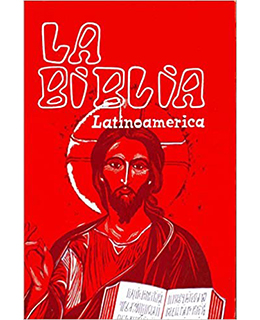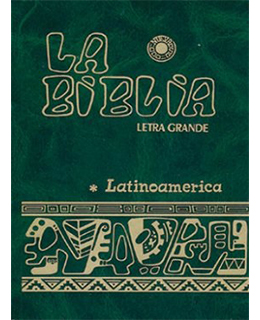
BIBLIA LAT.LETRA GRANDE
Autor: HURAULT BERNARDO / RICCIARDI RAMON /Editorial: SAN PABLO (1) E
Precio S/ 76.6
Comprar
When Haruto asks why, she replies, “Because he smiled when you fell off your bike. He didn’t laugh with you; he laughed at you. A man who doesn’t respect your pain will never respect mine.”
But in every iteration, the Ibu Anaknya bond is the true love story. The romance with a man is merely a subplot. The primary relationship—the one that shapes her world, her choices, and her heart—is the one she shares with her son. Momoko Isshiki Ibu ajari Anaknya Sex - INDO18
And perhaps that is the most radical romantic storyline of all: the quiet, unshakeable love between a mother and her child, which no new romance can ever eclipse, only complement. Whether you are a fan of slow-burn adult romance or poignant family dramas, Momoko Isshiki’s journey offers a rare, honest look at how a woman balances the title of “mother” with the desire to simply be loved. And in that balance, we find the most human story of all. When Haruto asks why, she replies, “Because he
This child-mediated romance is delicate. Mr. Tanaka does not try to replace Haruto’s father. Instead, he teaches Haruto how to prune roses and fixes Momoko’s leaky faucet. The romance blossoms not in grand gestures but in shared silences and a growing family unit. The climax is not a kiss but Haruto calling Mr. Tanaka “Ojisan” (uncle) with genuine warmth—the ultimate seal of approval from the anaknya . The most celebrated arcs in Momoko Isshiki’s bibliography are the second-chance romances . These stories argue that a mother’s heart, though scarred, is not closed. The Childhood Friend Returns A classic trope is the return of Daigo , Momoko’s childhood best friend who moved away before high school. He never knew about Ren or Haruto. When Daigo returns as a successful chef, he is shocked to find Momoko with a child. The romance here is about renegotiation . The romance with a man is merely a subplot
Her son, typically named or Kaito in different adaptations, is the axis upon which her world spins. Unlike many romantic heroines who prioritize self-discovery or career, Momoko’s primary motivation is securing a stable, loving future for her child. This maternal instinct does not kill her romantic desires; rather, it filters them through a stringent sieve of practicality and trust. The Missing Father: The Ghost of Romance Past The most significant romantic storyline in Momoko’s life is the one that is conspicuously absent: the story of her son’s father . In most narratives, this man is not dead but missing —either by abandonment, circumstance, or a dark secret. The "Bad Boy" Archetype Flashbacks often reveal that the father, a character named Ren Suzumura or similar, was a classic "bad boy" archetype: a musician, a drifter, or a yakuza underling. Their romance was passionate, fiery, and ill-fated. They met when Momoko was in her early twenties, naive to the world’s cruelty. The romance was a whirlwind of secret dates, motorcycle rides under neon lights, and whispered promises.
However, when Momoko became pregnant, Ren’s commitment crumbled. In one heartbreaking scene, he says, “I’m not father material. You know that.” He left a wad of cash and a single cherry blossom hairpin—a token of a love too fragile for reality. A less common but equally compelling variant portrays the father as a tragic anti-hero. He loved Momoko but was forced to leave to protect her from his enemies. In this storyline, Momoko spends years believing he abandoned her, only to discover he has been watching from the shadows, paying for Haruto’s school fees anonymously. This unresolved romantic tension creates a "will they, won’t they" that spans years. The romance here is not about passion, but about healing . Can Momoko forgive a man who chose danger over domesticity? Can she introduce a stranger as her son’s father after a decade of silence? The "Ibu Anaknya" Dynamic: Romance Through a Mother’s Eyes Here is where the Indonesian phrase “Ibu Anaknya” becomes powerful. In many Eastern narratives, the identity of "mother of his child" is often subservient to the father. But in Momoko’s best storylines, she reclaims that title as her armor. Rejecting Suitors for the Child’s Sake Momoko’s romantic life is defined by the men she turns down . A recurring subplot involves a kind, stable colleague—let’s call him Takahashi —who asks her on a date. He is handsome, financially secure, and good with kids. On paper, he is perfect. Yet Momoko refuses.
This article explores the layered romantic storylines involving Momoko Isshiki—her relationship with her child’s father, her struggles as a single mother, and the potential narrative arcs that redefine what romance means after motherhood. Before dissecting the romance, it is crucial to understand the foundation. Momoko Isshiki is often portrayed as a resilient, sharp-witted woman in her late twenties or early thirties. Depending on the continuity (as her story appears in multiple media), she is either a former idol, a business owner, or a quiet librarian. However, the one constant in every iteration is her role as Ibu —the mother.
When Haruto asks why, she replies, “Because he smiled when you fell off your bike. He didn’t laugh with you; he laughed at you. A man who doesn’t respect your pain will never respect mine.”
But in every iteration, the Ibu Anaknya bond is the true love story. The romance with a man is merely a subplot. The primary relationship—the one that shapes her world, her choices, and her heart—is the one she shares with her son.
And perhaps that is the most radical romantic storyline of all: the quiet, unshakeable love between a mother and her child, which no new romance can ever eclipse, only complement. Whether you are a fan of slow-burn adult romance or poignant family dramas, Momoko Isshiki’s journey offers a rare, honest look at how a woman balances the title of “mother” with the desire to simply be loved. And in that balance, we find the most human story of all.
This child-mediated romance is delicate. Mr. Tanaka does not try to replace Haruto’s father. Instead, he teaches Haruto how to prune roses and fixes Momoko’s leaky faucet. The romance blossoms not in grand gestures but in shared silences and a growing family unit. The climax is not a kiss but Haruto calling Mr. Tanaka “Ojisan” (uncle) with genuine warmth—the ultimate seal of approval from the anaknya . The most celebrated arcs in Momoko Isshiki’s bibliography are the second-chance romances . These stories argue that a mother’s heart, though scarred, is not closed. The Childhood Friend Returns A classic trope is the return of Daigo , Momoko’s childhood best friend who moved away before high school. He never knew about Ren or Haruto. When Daigo returns as a successful chef, he is shocked to find Momoko with a child. The romance here is about renegotiation .
Her son, typically named or Kaito in different adaptations, is the axis upon which her world spins. Unlike many romantic heroines who prioritize self-discovery or career, Momoko’s primary motivation is securing a stable, loving future for her child. This maternal instinct does not kill her romantic desires; rather, it filters them through a stringent sieve of practicality and trust. The Missing Father: The Ghost of Romance Past The most significant romantic storyline in Momoko’s life is the one that is conspicuously absent: the story of her son’s father . In most narratives, this man is not dead but missing —either by abandonment, circumstance, or a dark secret. The "Bad Boy" Archetype Flashbacks often reveal that the father, a character named Ren Suzumura or similar, was a classic "bad boy" archetype: a musician, a drifter, or a yakuza underling. Their romance was passionate, fiery, and ill-fated. They met when Momoko was in her early twenties, naive to the world’s cruelty. The romance was a whirlwind of secret dates, motorcycle rides under neon lights, and whispered promises.
However, when Momoko became pregnant, Ren’s commitment crumbled. In one heartbreaking scene, he says, “I’m not father material. You know that.” He left a wad of cash and a single cherry blossom hairpin—a token of a love too fragile for reality. A less common but equally compelling variant portrays the father as a tragic anti-hero. He loved Momoko but was forced to leave to protect her from his enemies. In this storyline, Momoko spends years believing he abandoned her, only to discover he has been watching from the shadows, paying for Haruto’s school fees anonymously. This unresolved romantic tension creates a "will they, won’t they" that spans years. The romance here is not about passion, but about healing . Can Momoko forgive a man who chose danger over domesticity? Can she introduce a stranger as her son’s father after a decade of silence? The "Ibu Anaknya" Dynamic: Romance Through a Mother’s Eyes Here is where the Indonesian phrase “Ibu Anaknya” becomes powerful. In many Eastern narratives, the identity of "mother of his child" is often subservient to the father. But in Momoko’s best storylines, she reclaims that title as her armor. Rejecting Suitors for the Child’s Sake Momoko’s romantic life is defined by the men she turns down . A recurring subplot involves a kind, stable colleague—let’s call him Takahashi —who asks her on a date. He is handsome, financially secure, and good with kids. On paper, he is perfect. Yet Momoko refuses.
This article explores the layered romantic storylines involving Momoko Isshiki—her relationship with her child’s father, her struggles as a single mother, and the potential narrative arcs that redefine what romance means after motherhood. Before dissecting the romance, it is crucial to understand the foundation. Momoko Isshiki is often portrayed as a resilient, sharp-witted woman in her late twenties or early thirties. Depending on the continuity (as her story appears in multiple media), she is either a former idol, a business owner, or a quiet librarian. However, the one constant in every iteration is her role as Ibu —the mother.