Population Density in terms of Geography in I...
The most common sort among the calculations of population density is as defined by the number of persons per square kilometre. Calculations of population density depict...
US Climate-No Cause for A...
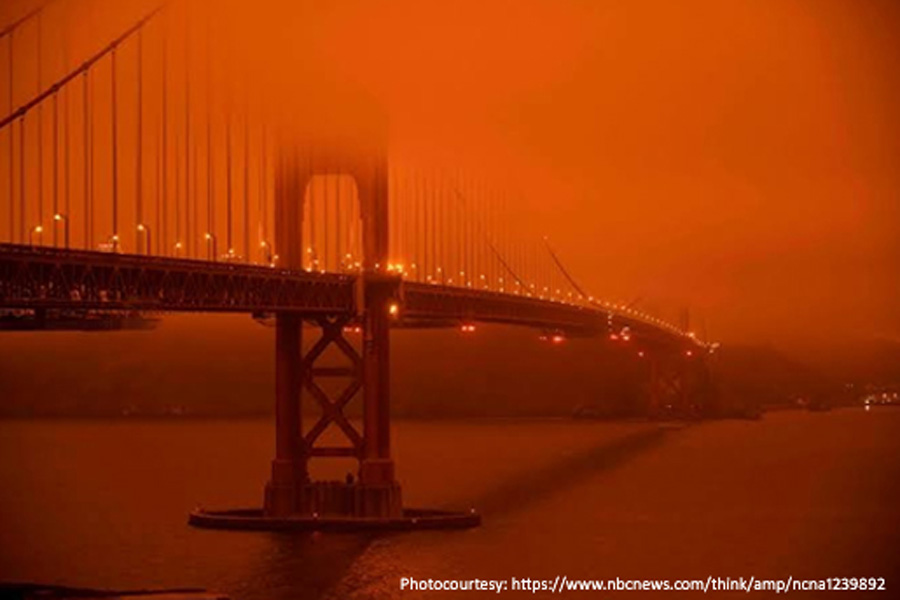
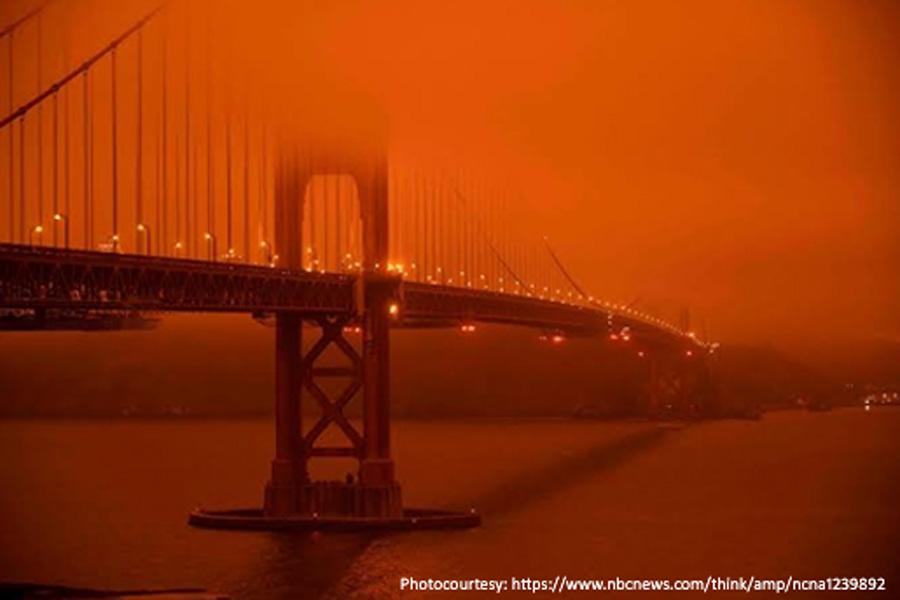
‘I don’t believe it’, was US President Donald Trump’ response to the ‘the National Climate Assessment’, in which clim...
Wind Types | Why They are...
Ascertaining wind types is important to understand disas... the world beyond the ice wall
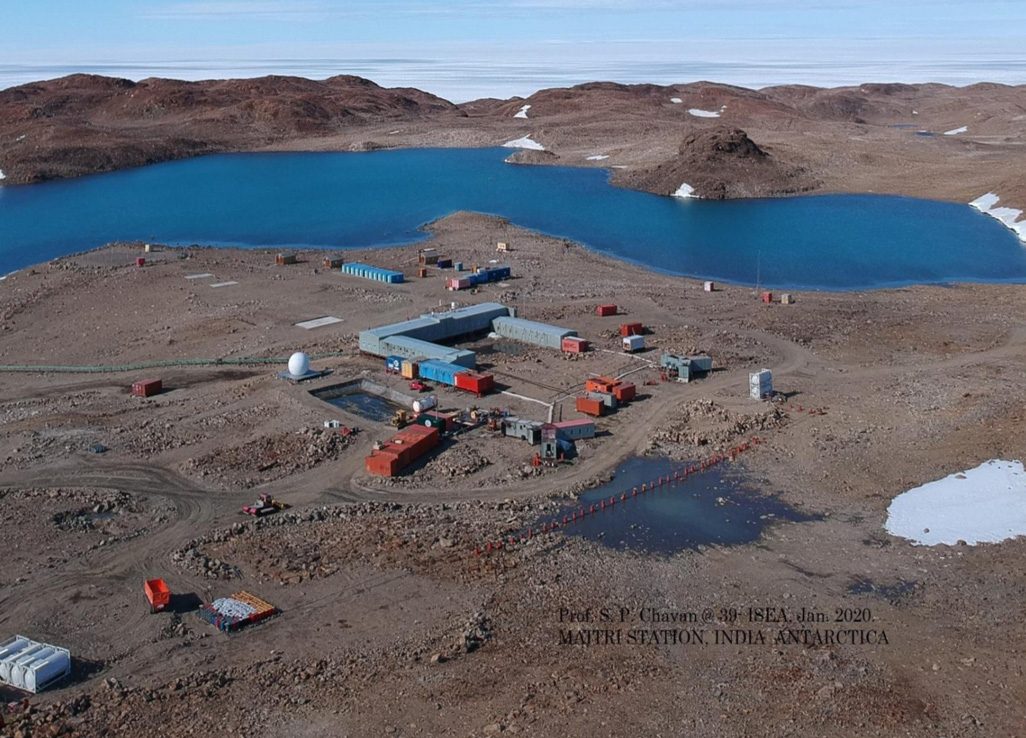
India is set to embark on a new chapter in its Polar exploration journey with the construction of Maitri II. The Indian government plans to establish a new research station near the existing Maitri base, located in the Schirmacher Oasis region of East Antarctica, which was commissioned in 1989. The completion of the research station would be India's fourth r...
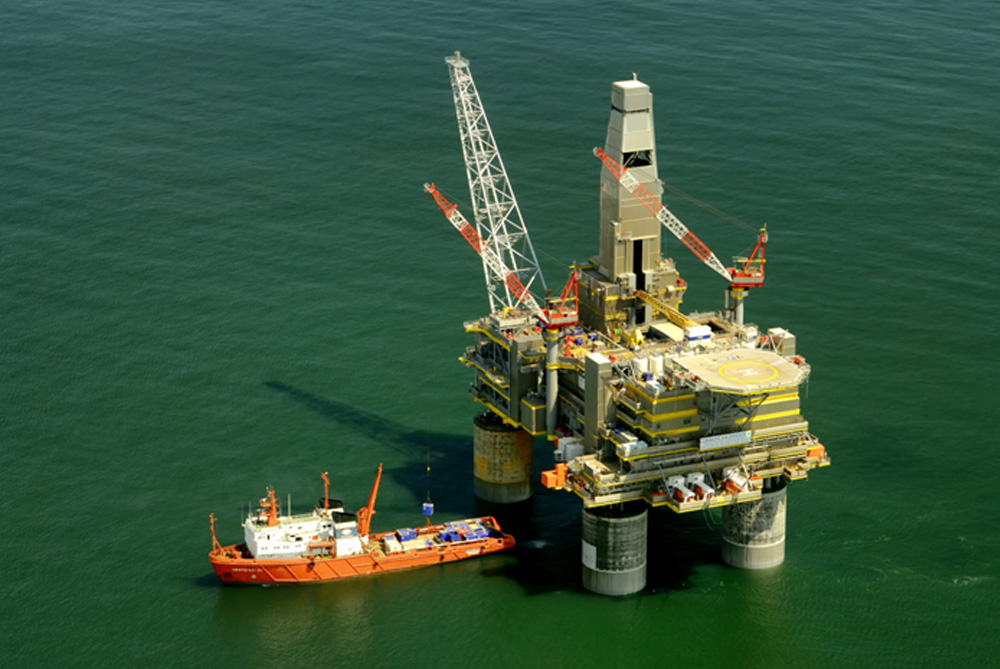
The Deep Ocean Mission (DOM), approved by the Government of India in 2021 under the Ministry of Earth Sciences (MoES), represents a strategic step in realizing Sustainable Development Goal 14 (SDG 14: Life Below Water)1 and advancing the national vision of Viksit Bharat 2047. In this episode of GnY Live, we participate in a discussion with Dr. M. Ravichandra...
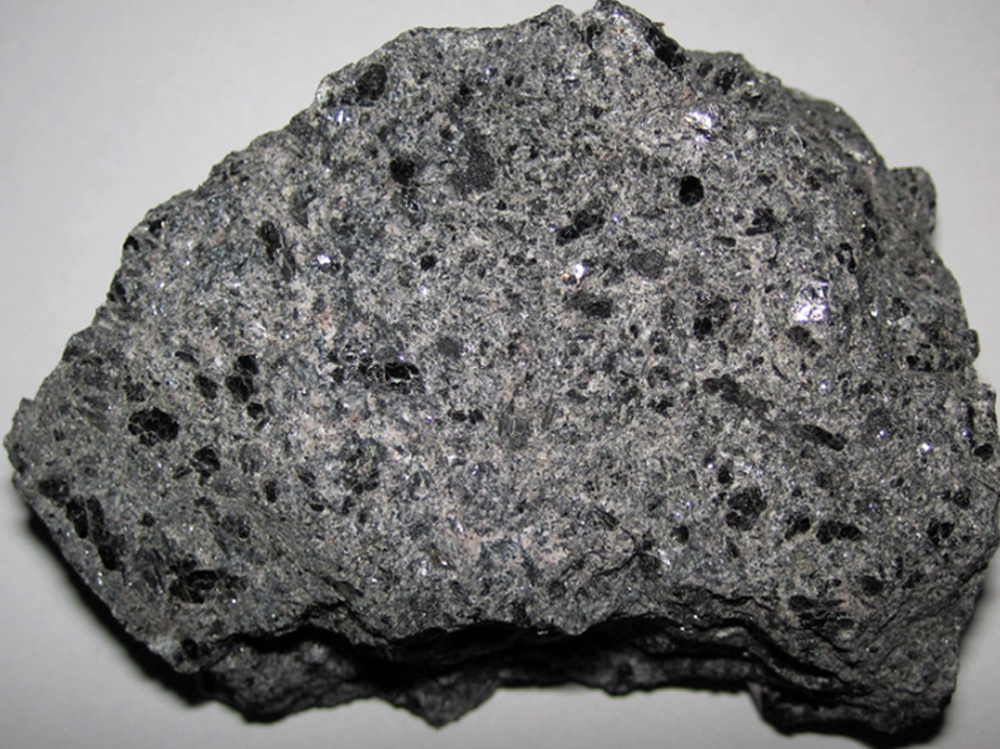
China recently announced restrictions on the export of seven rare earth elements (REEs), soon after US President Donald Trump decided to impose tariffs. As the world's dominant supplier—responsible for over 85 to 90 per cent of rare earth processing (Jayadevan, 2025)—this decision has raised alarms across the tech, defence, and energy sectors worldwide. Bu...

Modern "researchers" point to bizarre Google Earth artifacts—massive, straight-line "shadows" in Antarctica that look like the edges of a continent. They highlight the fact that all high-altitude flight paths avoid the deep south, and that no civilian has ever been allowed to explore the coastline of Antarctica beyond a few research stations. They call this the . Debunking the Debunkers Skeptics, of course, have a field day. They point to satellite imagery of a spherical Earth, the circumnavigation of Antarctica by dozens of sailboats, and the simple fact that if you fly from Chile to Australia, you cross the Pacific, not a giant ice wall.
Imagine it as a giant snow globe. We live inside the glass, on the floor. The ice wall is the rim of the glass. What lies "beyond" is actually the outside of the globe—another world entirely, invisible to us because we are trapped inside the curvature of our own sky. So, if one could cross the ice wall—using a nuclear submarine beneath the ice, or by climbing it with impossible gear—what would they find?
But the proponents of "the world beyond" have a ready response: . They argue that the maps we see are holographic projections. The satellites? Fake. The images from NASA? CGI created by a cabal of Freemasons and intelligence agencies.
But there are Guardians. Some believe that the German Third Reich, prior to and during WWII, discovered a passage to this inner world via Antarctica (Operation Highjump, led by Admiral Byrd, was allegedly a military response to a Nazi redoubt in the hollow Earth). It is said they established a colony called "New Berlin" beyond the ice wall, and that post-war, the U.S. and Russia signed the Antarctic Treaty not to protect penguins, but to prevent a nuclear war with a civilization that lives on the other side of the ice.
Officially, this is "Antarctica." But theorists argue that the Antarctic Treaty of 1959—signed by over 50 nations—is not a conservation agreement. It is a . They claim the treaty’s real purpose is to prevent any independent explorer or nation from crossing that ice wall to discover what is on the other side.
And in that question lies the true power of the myth. The ice wall is not a place. It is a border—between certainty and mystery, between what is told and what is forbidden. And as long as there are humans who seek, someone will always be trying to climb it.
Beyond the ice wall, there are no satellites, no GPS, no radio signals. The physics that governs our world—gravity, thermodynamics, electromagnetism—operates under different laws. Our planes would fall from the sky. Our ships would lose magnetism.
Located in the Dehradun district, the Asan Conservation Reserve is the 38th Ramsar site in India and first in the state of Uttarakhand. It is a human-made wetland, which has resulted due to the Asan B..
A new paper by British climate writer, Paul Homewood says that average temperature rise in the USA is not alarming. Based on the data received from the NOAA, it claims that there has been little or no...
The risk of climate change is universal but the poor are more vulnerable with worsening food security and exacerbating hunger in developing countries. Climate change is also likely to affect species distribution and increase the threat of extinction and loss of biodiversity. ..
1° Hotter = 1000 Dead: Heat Waves as India’s Growi...
Heatwaves are no longer episodic extremes but are increasingly becoming a structural...
Sale! Sale! Sale!: Private Education
As India stands at a critical juncture in education reform, questions surrounding pri...
Vanishing Grants: The Fate of Higher Education in...
The foundational principle upon which our education system rests is fundamentally bas...
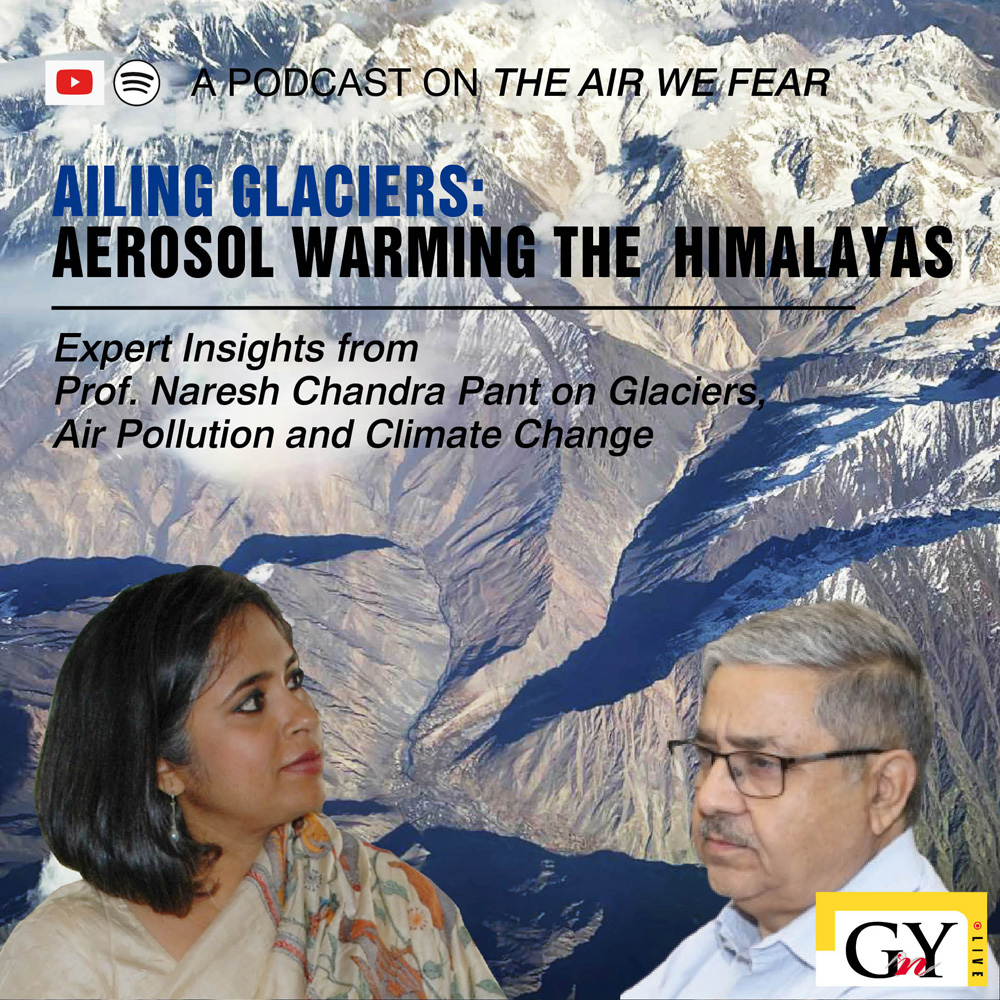
Ailing Glaciers: Aerosol Warming the Himalayas-Ins...
The Himalayan glaciers face significant climate change and air pollution threats. In...
Modern "researchers" point to bizarre Google Earth artifacts—massive, straight-line "shadows" in Antarctica that look like the edges of a continent. They highlight the fact that all high-altitude flight paths avoid the deep south, and that no civilian has ever been allowed to explore the coastline of Antarctica beyond a few research stations. They call this the . Debunking the Debunkers Skeptics, of course, have a field day. They point to satellite imagery of a spherical Earth, the circumnavigation of Antarctica by dozens of sailboats, and the simple fact that if you fly from Chile to Australia, you cross the Pacific, not a giant ice wall.
Imagine it as a giant snow globe. We live inside the glass, on the floor. The ice wall is the rim of the glass. What lies "beyond" is actually the outside of the globe—another world entirely, invisible to us because we are trapped inside the curvature of our own sky. So, if one could cross the ice wall—using a nuclear submarine beneath the ice, or by climbing it with impossible gear—what would they find?
But the proponents of "the world beyond" have a ready response: . They argue that the maps we see are holographic projections. The satellites? Fake. The images from NASA? CGI created by a cabal of Freemasons and intelligence agencies.
But there are Guardians. Some believe that the German Third Reich, prior to and during WWII, discovered a passage to this inner world via Antarctica (Operation Highjump, led by Admiral Byrd, was allegedly a military response to a Nazi redoubt in the hollow Earth). It is said they established a colony called "New Berlin" beyond the ice wall, and that post-war, the U.S. and Russia signed the Antarctic Treaty not to protect penguins, but to prevent a nuclear war with a civilization that lives on the other side of the ice.
Officially, this is "Antarctica." But theorists argue that the Antarctic Treaty of 1959—signed by over 50 nations—is not a conservation agreement. It is a . They claim the treaty’s real purpose is to prevent any independent explorer or nation from crossing that ice wall to discover what is on the other side.
And in that question lies the true power of the myth. The ice wall is not a place. It is a border—between certainty and mystery, between what is told and what is forbidden. And as long as there are humans who seek, someone will always be trying to climb it.
Beyond the ice wall, there are no satellites, no GPS, no radio signals. The physics that governs our world—gravity, thermodynamics, electromagnetism—operates under different laws. Our planes would fall from the sky. Our ships would lose magnetism.