


product description

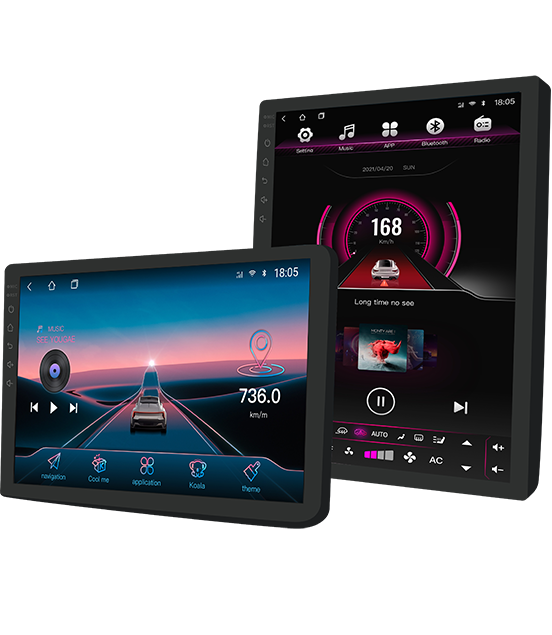
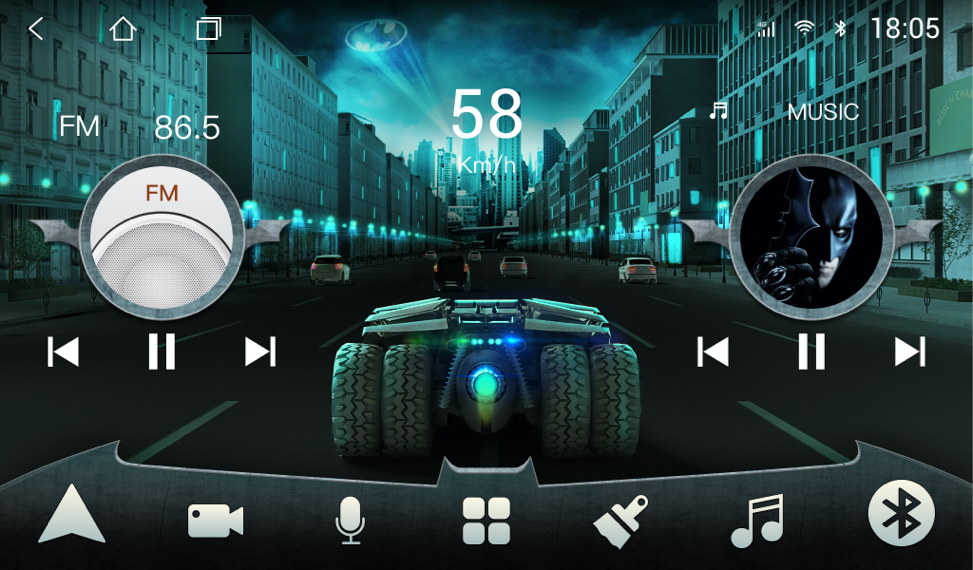
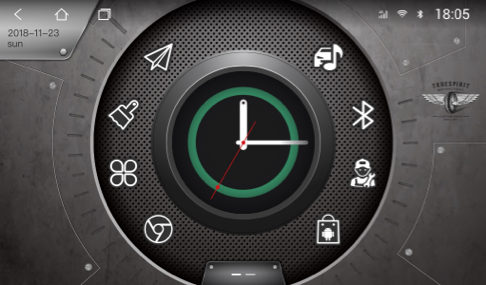
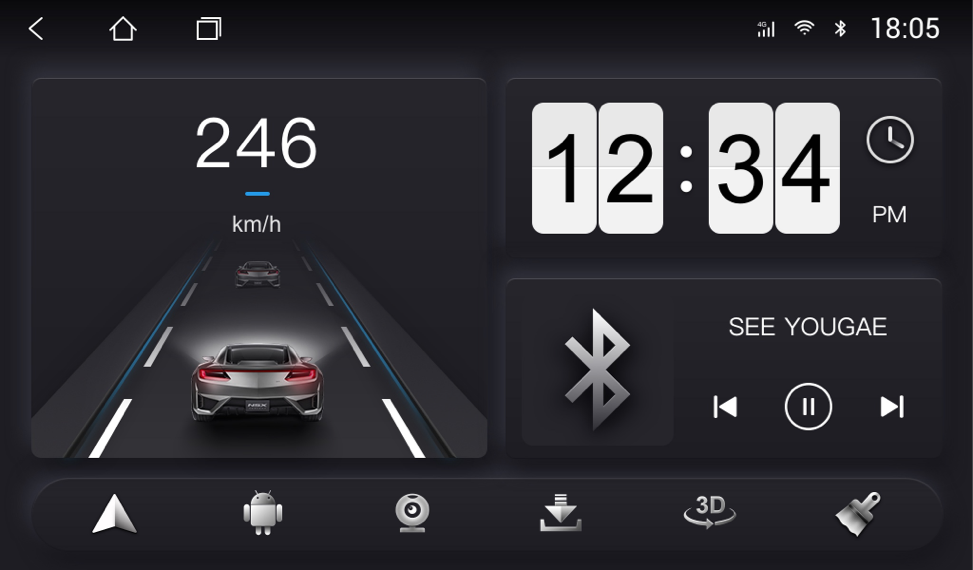
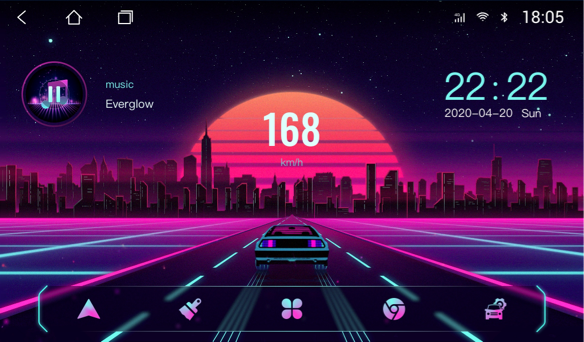
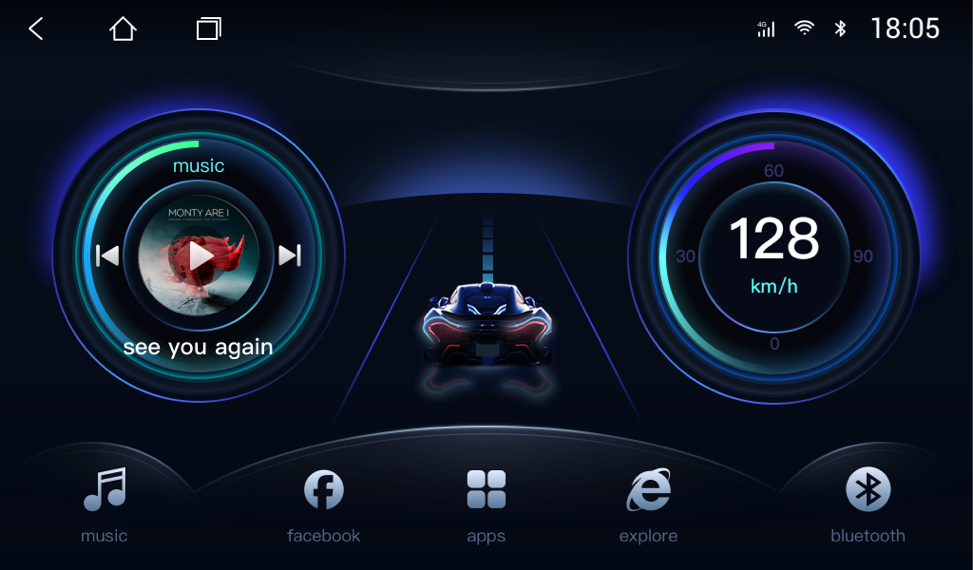
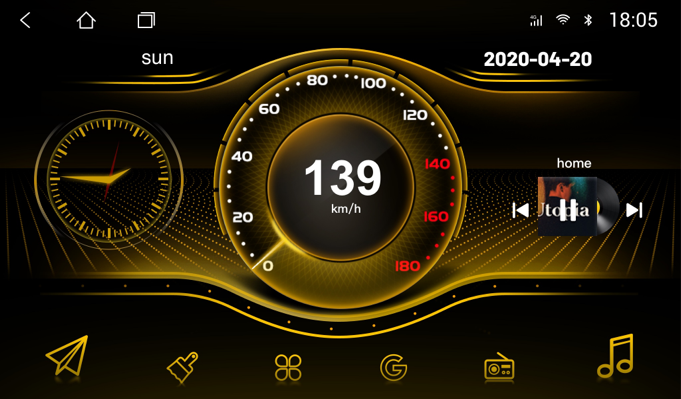
Not limited to a single theme framework, create 9 types of themes with different styles, there is always one that suits your taste!

Of course it's more than just looking good! When you drive on the road, you will find that the theme has rich dynamic effects, such as driving, instrumentation, ADAS, weather, etc., is it very interesting?

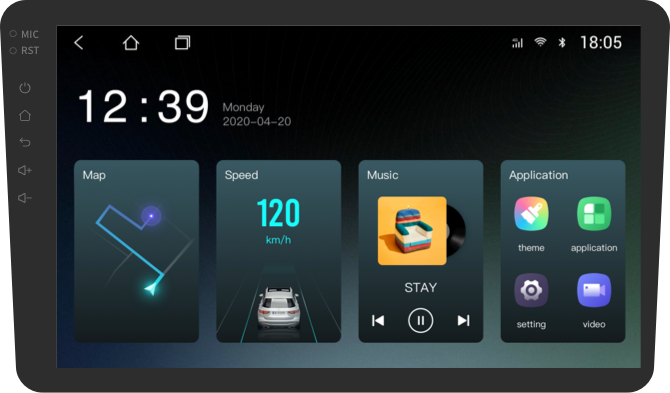
The shortcut icons on the desktop can be customized in style and function, and operate in the way you are used to!

product description
product description
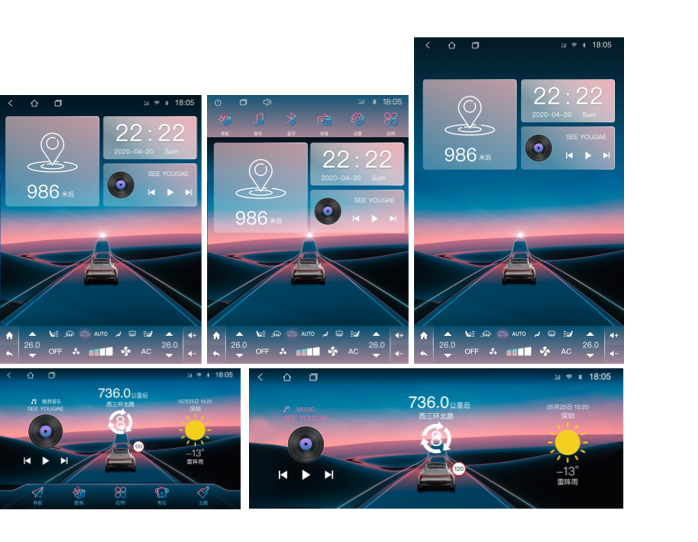
Currently suitable resolutions are as follows:
Landscape contains: 1024x600、1024x768、1280x800、1280x480、2000x1200
Vertical screen includes: 768x1024、800x1280、1080x1920
If your car is different, it will use close resolution by default
Cars of Dingwei solution can use all the functions of the theme software, but some of the functions of cars of other solution providers are not available.

In addition to a single purchase, you can also


The popularity of K-Pop (BTS, Blackpink) and J-Pop, as well as the global dominance of anime ( Demon Slayer , Jujutsu Kaisen ), shows that the future of is polycentric. The American accent is no longer the default voice of entertainment. The Crisis of Attention and the Fight for Quality With so much content available, attention has become the most valuable currency. This has led to a war on "slow pacing."
Furthermore, platforms like Twitch have blurred the lines between and social interaction. Watching a streamer play Fortnite or Minecraft while interacting with a live chat feed creates a sense of parasocial intimacy. You aren't just watching a game; you are part of a crowd. The Algorithm as Curator: Blessing or Curse? Behind every "For You" page and "Top Picks" row sits the algorithm. Artificial Intelligence now dictates what popular media rises to the surface. vdsblogxxx hot
The challenge for the modern consumer is no longer access; it is curation. To navigate this age, we must be active participants. We must turn off the algorithm occasionally to hunt for hidden gems. We must put down the second screen to truly appreciate the craft of the first. And we must recognize that while the screens and streams change, the human need for a good story remains eternal. The popularity of K-Pop (BTS, Blackpink) and J-Pop,
YouTube has given rise to "MrBeast," who spends millions on stunt videos that rival network game shows. TikTok has turned ordinary teenagers into music industry gatekeepers. Podcasts have replaced talk radio, allowing deep dives into niche history, true crime, or comedy without FCC regulations. This has led to a war on "slow pacing
But how did we get here? And more importantly, where are we going? This article dives deep into the mechanics, psychology, and future of the media we can’t stop talking about. To understand the present, we must look at the past. For decades, popular media was a monoculture. In the 1980s and 90s, if you mentioned “the finale of M A S H*” or “who shot J.R.,” virtually every American understood the reference. The barrier to entry was low, and the number of channels was limited.
In the span of a single generation, the phrase “watching TV” has transformed from a passive, scheduled activity into an immersive, on-demand ecosystem. We no longer just consume stories; we live inside them. We tweet reactions during live finales, analyze frame-by-frame trailers on YouTube, and build entire wikis dedicated to the lore of a Netflix series. Welcome to the modern era of entertainment content and popular media —a landscape that is more fragmented, interactive, and influential than ever before.
Weekly update

Please contact us
In addition to these FAQs, if you have more questions, youcan join our community by Telegram: https://t.me/carmateapp